
Dental Implants
How to Know If You Might Need Dental Implants
· 3 min read · Reviewed by the Healthy Smiles California clinical team
Quick answer
How to Know If You Might Need Dental Implants
Missing teeth can affect more than just your smile. They can impact your ability to chew comfortably, speak clearly, and maintain proper oral health. Dental implants are one of the most reliable solutions for replacing missing teeth, but many people are unsure if they are a good candidate.
Reviewed by the Healthy Smiles California clinical team · Updated October 12, 2026
How to Know If You Might Need Dental Implants
Quick Answer (TLDR): How to Know If You Might Need Dental Implants
Missing teeth can affect more than just your smile. They can impact your ability to chew comfortably, speak clearly, and maintain proper oral health. Dental implants are one of the most reliable solutions for replacing missing teeth, but many people are unsure if they are a good candidate.
Understanding the common signs that you might need dental implants can help you take the next step toward restoring your smile and confidence.
You Have One or More Missing Teeth
The most obvious reason people consider dental implants is tooth loss. Whether a tooth was lost due to decay, injury, or gum disease, the gap left behind can create long term oral health issues.
When a tooth is missing, the surrounding teeth may begin to shift out of place. Over time, this can lead to bite problems and additional dental complications.
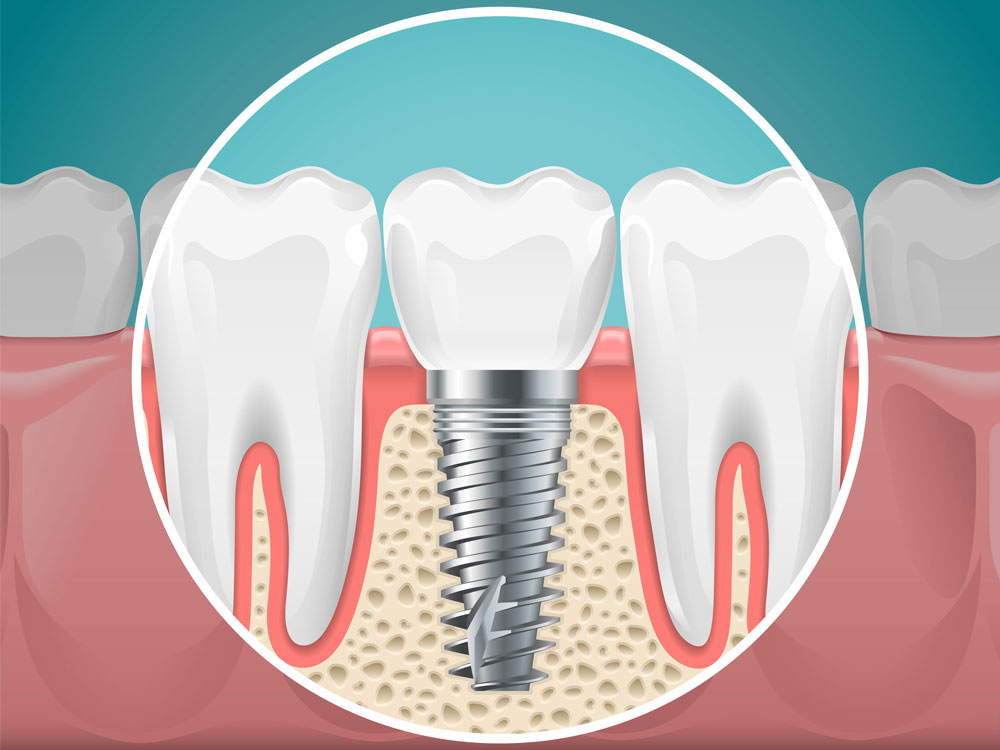
Dental implants replace the missing tooth root and crown, providing a stable and natural looking solution.
You Have a Loose Denture or Bridge
Traditional dentures and bridges can sometimes become uncomfortable or unstable over time. Some patients experience slipping or difficulty chewing certain foods.
Dental implants can provide a stronger foundation for replacement teeth. Implant supported restorations can improve stability and help restore normal chewing ability.
You Have Difficulty Chewing Certain Foods
When teeth are missing or damaged, chewing can become difficult or uncomfortable. Many people begin avoiding certain foods without even realizing it.
Dental implants restore full chewing function, allowing patients to eat a wider variety of foods comfortably.
Your Jawbone Is Starting to Shrink
One of the lesser known effects of tooth loss is bone loss in the jaw. When a tooth root is missing, the jawbone no longer receives the stimulation it needs to maintain its structure.
Dental implants help stimulate the bone, helping preserve the natural shape of the jaw and facial structure.
You Want a Long Term Tooth Replacement Solution
Dental implants are designed to last many years and in many cases can last decades with proper care. Because they integrate with the jawbone, they provide stability and durability that other tooth replacement options may not.
For many patients, implants are considered the closest replacement to natural teeth.
Conclusion: How to Know If You Might Need Dental Implants
The best way to determine if dental implants are right for you is through a consultation with a dental professional. Your dentist can evaluate your oral health, bone density, and treatment goals to recommend the best solution for your situation.
If you are missing teeth or considering a long term replacement option, dental implants may be worth exploring.
This article is for general education and is not a diagnosis. Every mouth is different — book an exam for advice specific to you.
Ready to talk about dental implants?
Explore Dental Implants